The writer whose Kerala backwaters became world literature never let her fury soften into decoration. On fiction, dissent, and the cost of saying it anyway.
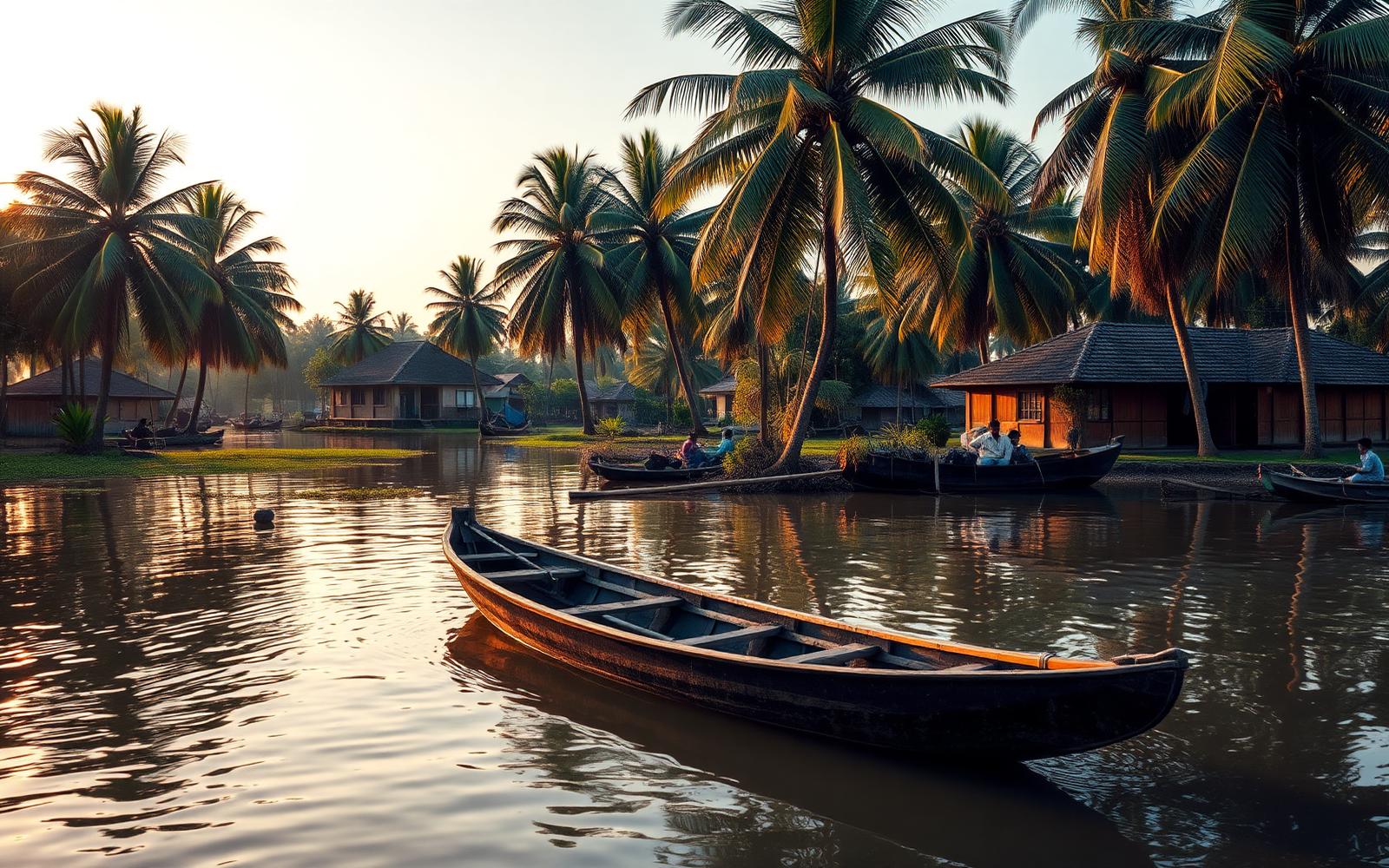
A novel about a Kerala family, published in 1997, did something rare: it made the specific texture of Ayemenem — the river, the pickle factory, the humiliations of caste — legible to readers who had never heard the word Malayalam pronounced.
What is often missed is how technically radical the book is. The chronology folds. The child's vocabulary is allowed to govern adult tragedy. Malayalam rhythms survive inside English sentences instead of being smoothed away for a foreign ear. It is a Kerala book that refused to translate itself into palatability.
Regional specificity is the only thing that ever travels.
Then came the decades of essays, and with them the standard accusation: that the political writing cost the fiction. The more interesting reading is that they are the same project. Both are about who is permitted to speak, and what happens to the ones who do it anyway.
For a festival in a village, the lesson is practical. Regional specificity is not a limitation to be apologised for before an international audience. It is the only thing that ever travels.
Whatever you conclude about her politics — and Kerala has never agreed about them — the craft argument is settled. She wrote sentences that made a small place enormous.
About the author
PIVF Editorial Desk
The Journal, Peruvanam
The PIVF Journal is written and edited in Peruvanam by a small desk of writers, translators and archivists who spend the year reading around the festival — so that the conversation never has to stop in February.
Related reading