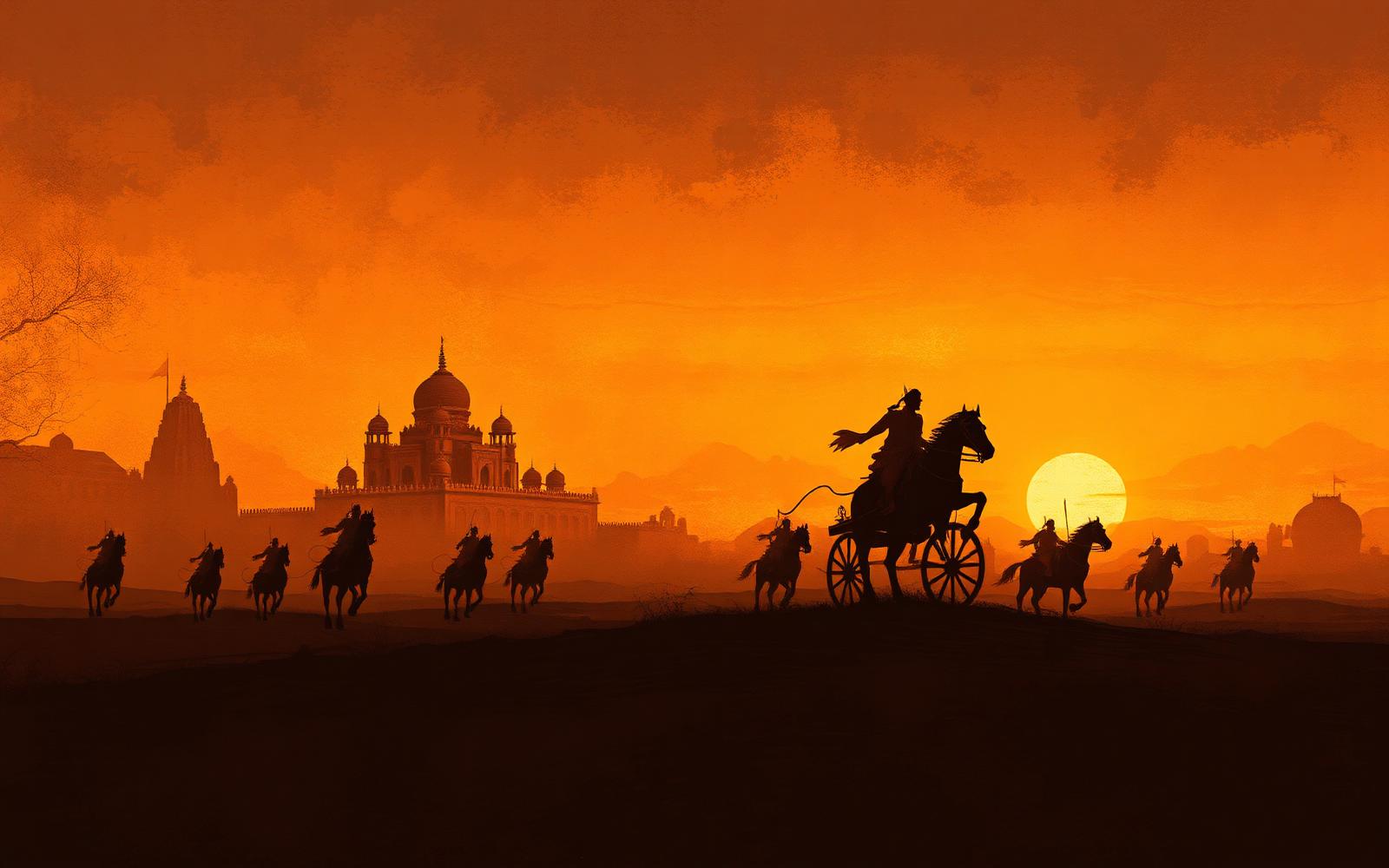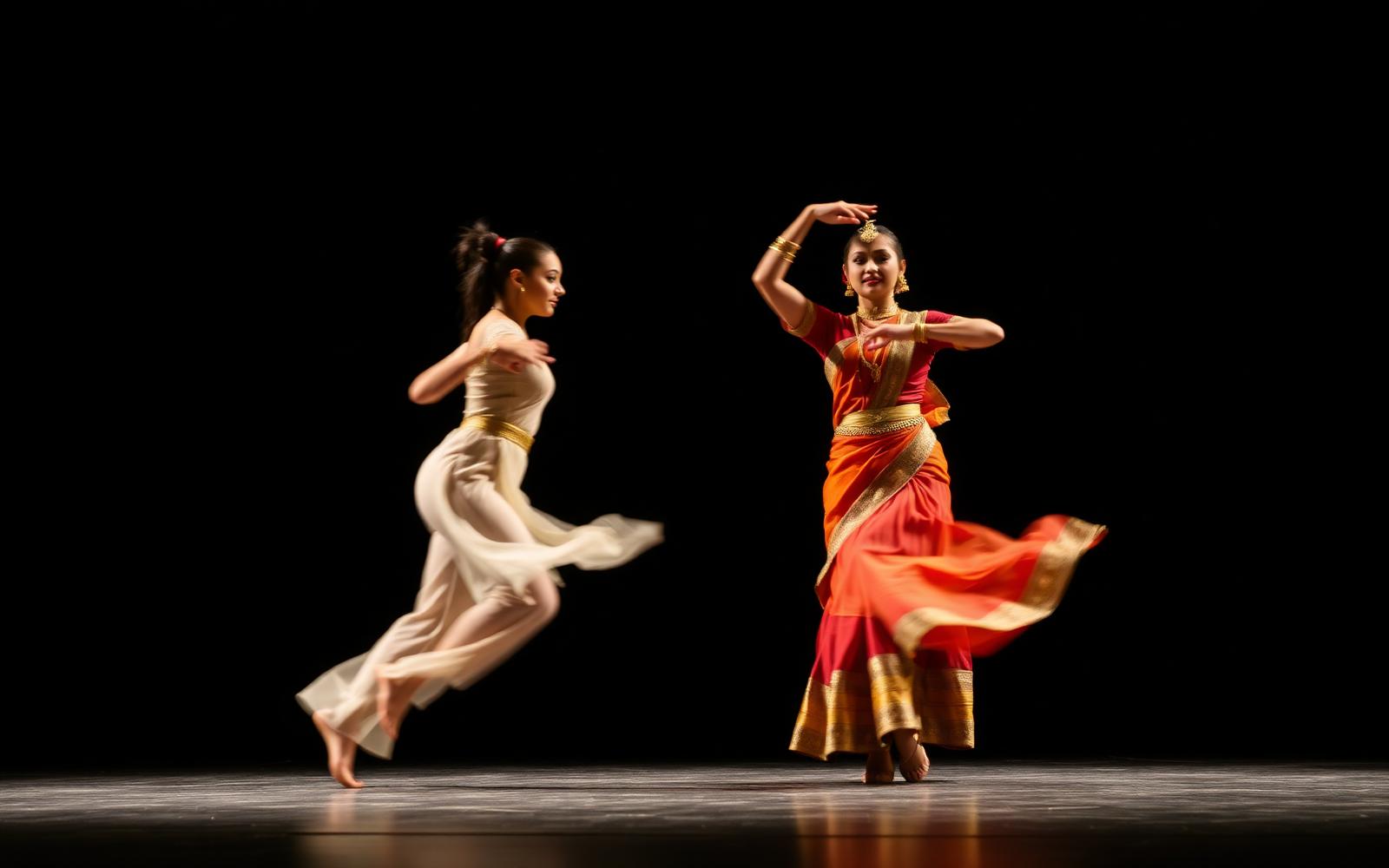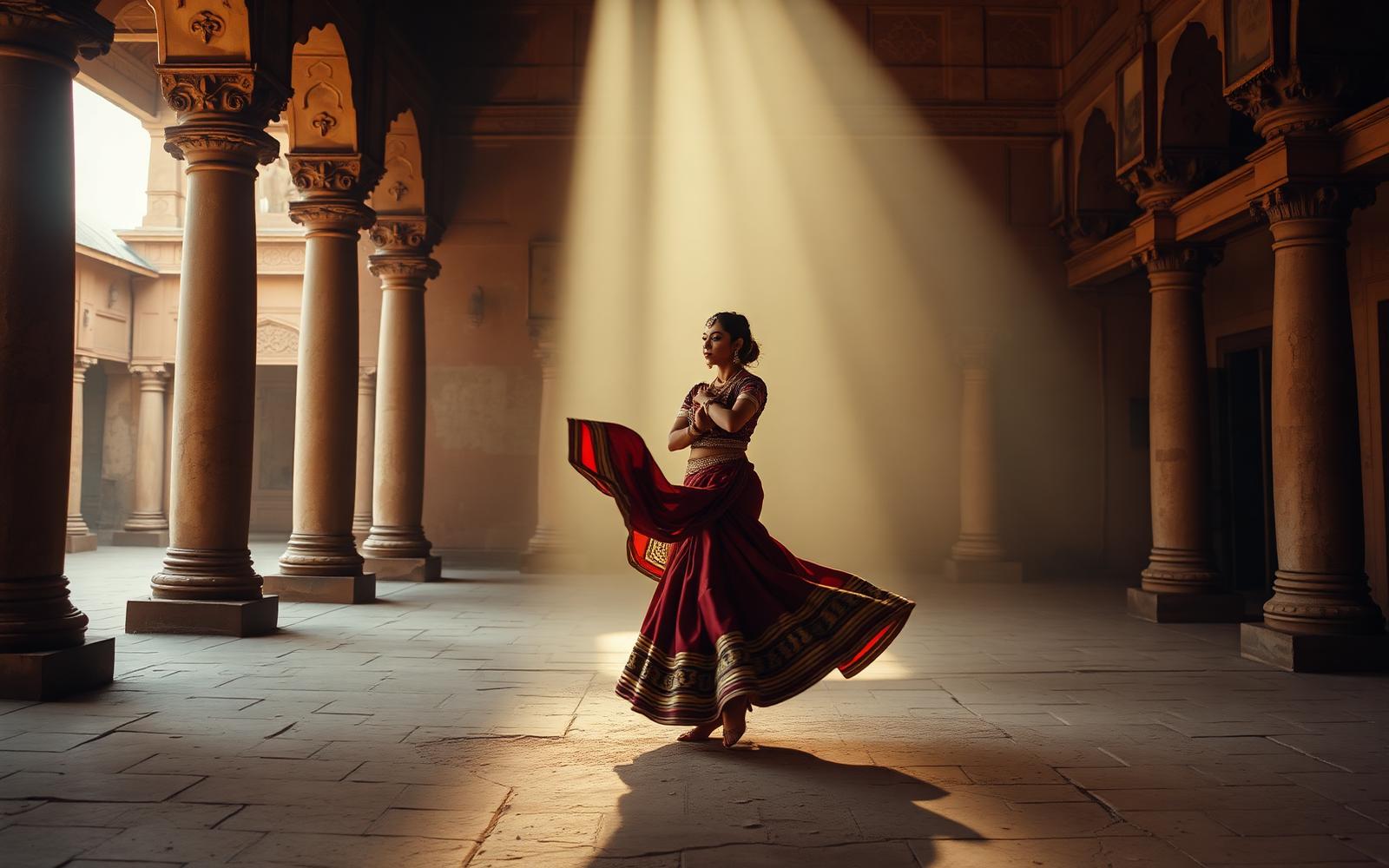
From temple courtyards to Mughal courts to the concert stage — a map for anyone tracing how classical traditions survive by changing.
Kathak is the clearest case study Indian dance offers of a form that survived by being repeatedly repurposed. Storytellers in temple courtyards; then the Mughal court, where the narrative loosened and the footwork and the spin became the argument; then the colonial period, when the form was disgraced along with the women who performed it; then a twentieth-century reconstruction that gave it a proscenium, a syllabus and a respectability.
Each of those transitions was a loss as much as a gain. The court refined the rhythm and thinned the devotion. The revival restored the dignity and, in doing so, quietly wrote several communities of hereditary performers out of their own history.
A form that admits its own edits is the only kind that can keep editing.
This matters far outside Kathak. Every festival that presents a 'classical' form is presenting the outcome of a curation somebody performed, usually a century ago, usually with a politics.
The honest way to program tradition, then, is to say where the version came from. Not to relativise it — the artistry is real and hard-won — but to let the audience see the seam.
A form that admits its own edits is not weakened by the admission. It is the only kind that can keep editing.
About the author
PIVF Editorial Desk
The Journal, Peruvanam
The PIVF Journal is written and edited in Peruvanam by a small desk of writers, translators and archivists who spend the year reading around the festival — so that the conversation never has to stop in February.
Related reading