The Mahabharata hands nobody a clean conscience — not the victors, not the gods, not the reader. Why an ancient poem still feels like the most honest book about power we have.
Most epics end with a moral. The Mahabharata ends with a dog, a technicality about heaven, and a king who has won everything and looks at the field of his victory as if it were a debt.
Its moral vision is not ambiguous by accident. Every righteous character is caught, at least once, doing something indefensible, and the text refuses to look away or explain it into comfort. Krishna's counsel is brilliant and slippery. Bhishma's vow, the most admired promise in the poem, is arguably the source of the catastrophe.
Not instruction, but company.
This is why the epic is a strange, essential text for a festival that argues in public. It models a form of thinking we have almost lost: holding two true things at once without resolving them into a slogan.
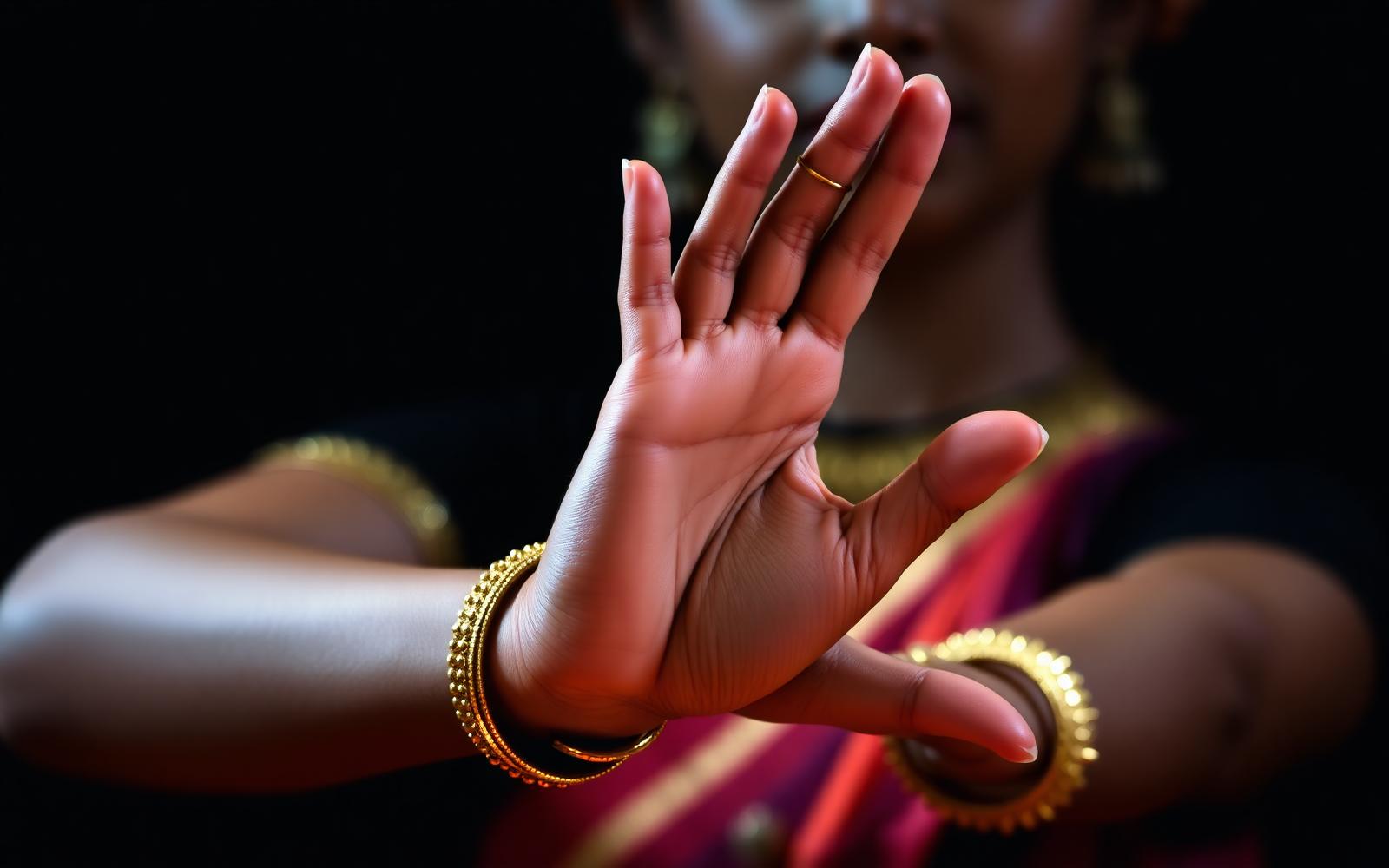
The Kerala inheritance of the epic is theatrical rather than doctrinal. In Kathakali the great questions are handed to the body — a raised eyebrow makes an argument that a paragraph cannot. Watching Duryodhana onstage, you notice that the tradition has already decided he deserves to be understood before he is condemned.
Read it slowly, in any translation, and you will find the same thing every generation finds: not instruction, but company. Somebody, a very long time ago, was also unable to make the world's cruelty add up.
About the author
PIVF Editorial Desk
The Journal, Peruvanam
The PIVF Journal is written and edited in Peruvanam by a small desk of writers, translators and archivists who spend the year reading around the festival — so that the conversation never has to stop in February.
Related reading