A conversation about the frictions — and the unexpected agreements — between classical grammar and contemporary movement on the Indian stage.
Ask a classical dancer what contemporary dance lacks and you will hear the word grammar. Ask a contemporary dancer what classical dance lacks and you will hear the word permission. Both are describing the same border from opposite sides.
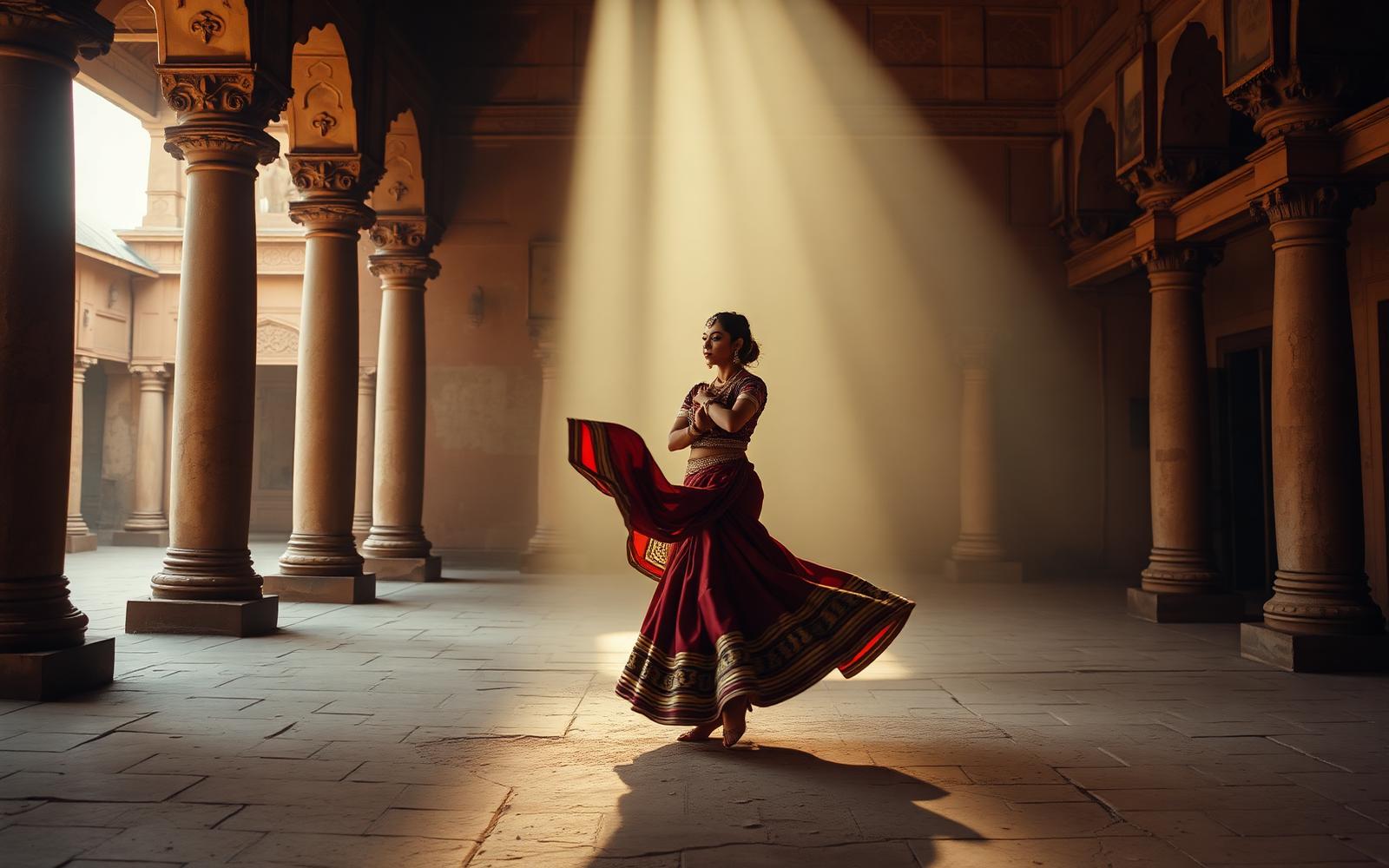
The border is newer than it looks. The classical repertoire we treat as fixed was substantially assembled in the twentieth century — codified, cleaned, given a lineage and a proscenium. Every tradition on an Indian stage today is already the product of someone's radical edit.
Every tradition on an Indian stage today is already someone's radical edit.
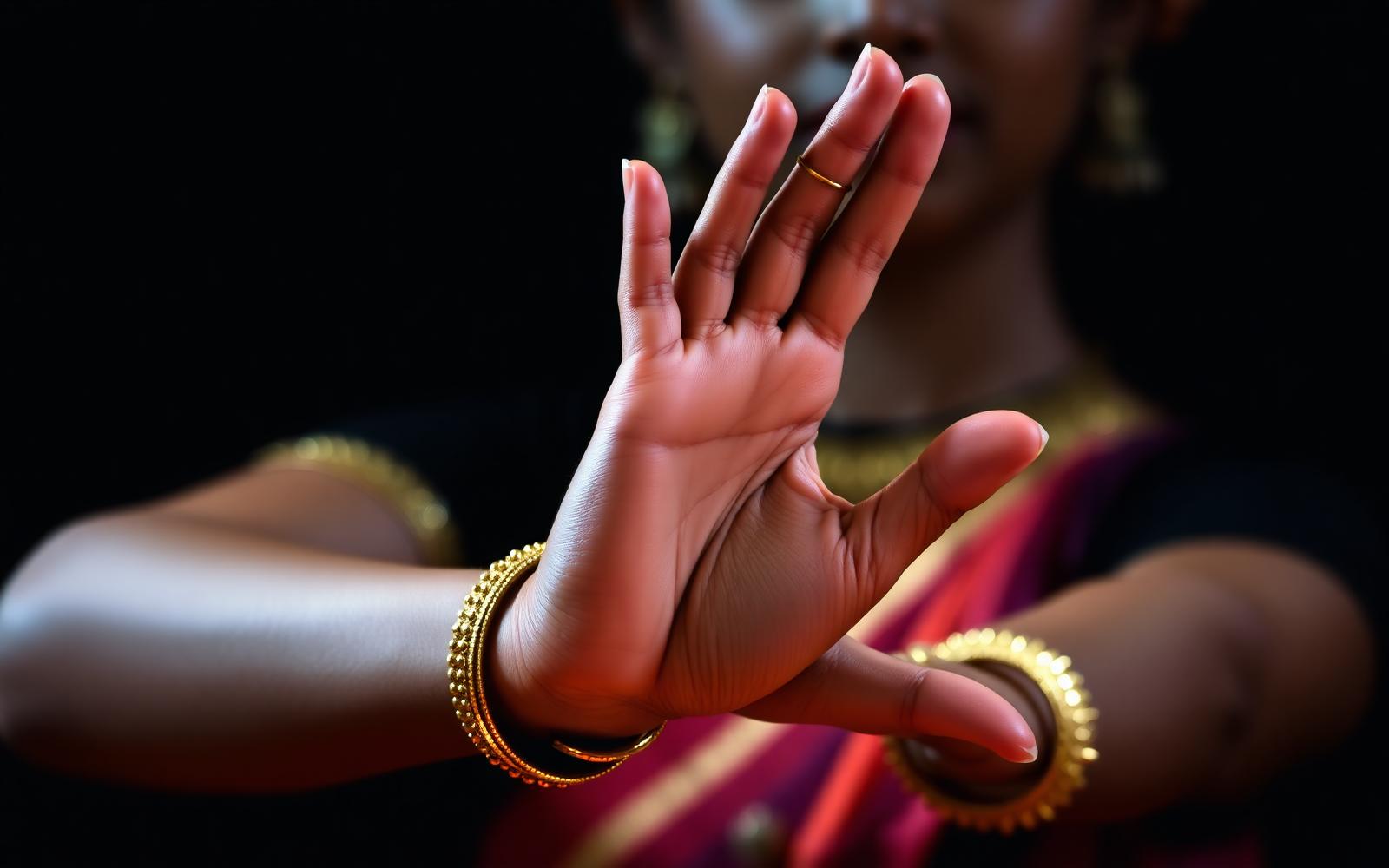
What contemporary practice actually borrows is rarely steps. It is the classical dancer's relationship to time: the willingness to hold a position until the audience stops waiting for the next thing and begins to look at this one.
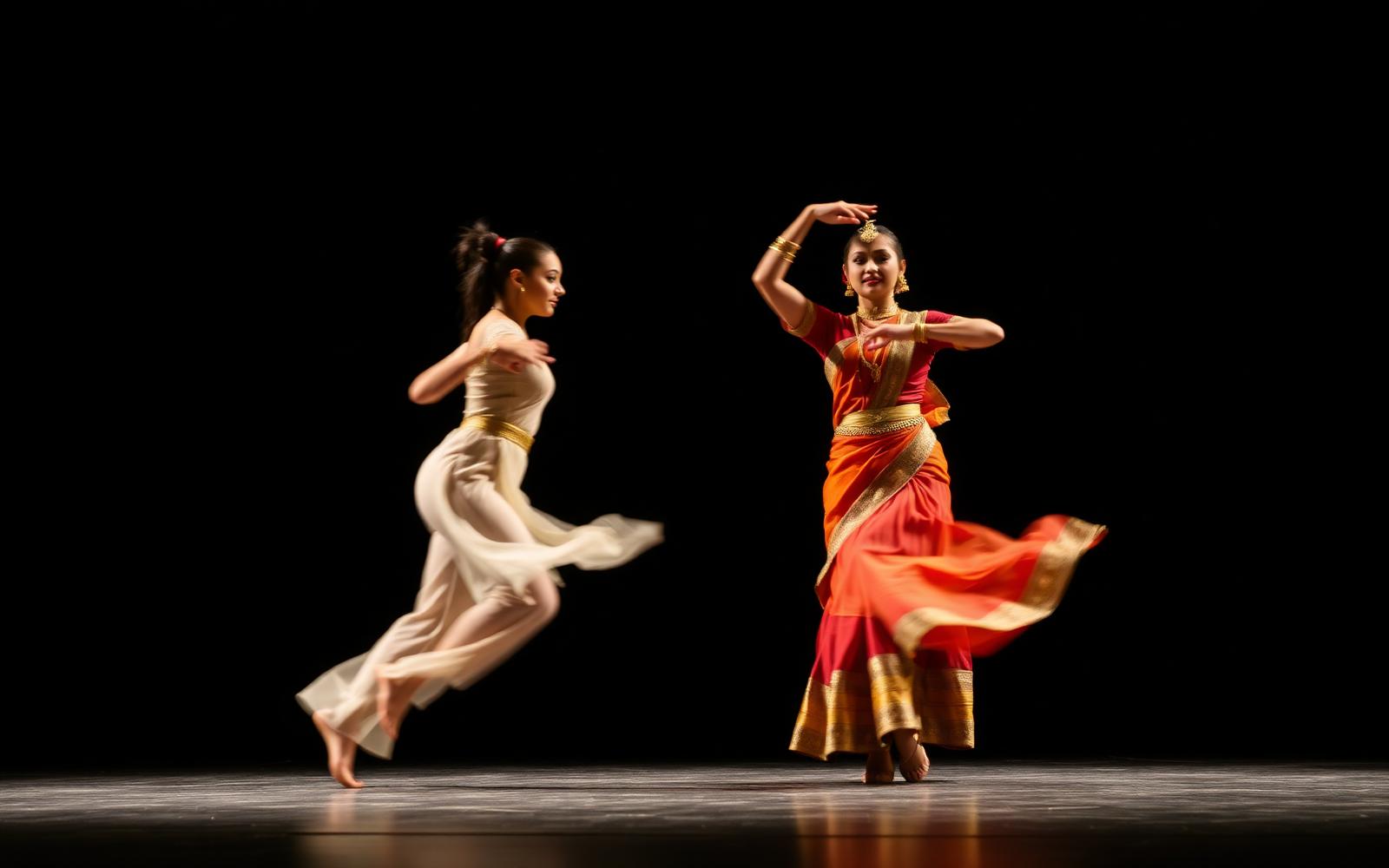
At PIVF we have watched this argument settle in the most useful way — not in a panel, but in a shared rehearsal, where a Mohiniyattam dancer and a contemporary choreographer spent an afternoon disagreeing about a single transition and left with something neither would have made alone.
The question is not whether tradition should change. It has never done anything else. The question is who is allowed to be in the room when it does.
About the author
PIVF Editorial Desk
The Journal, Peruvanam
The PIVF Journal is written and edited in Peruvanam by a small desk of writers, translators and archivists who spend the year reading around the festival — so that the conversation never has to stop in February.
Related reading